Blog

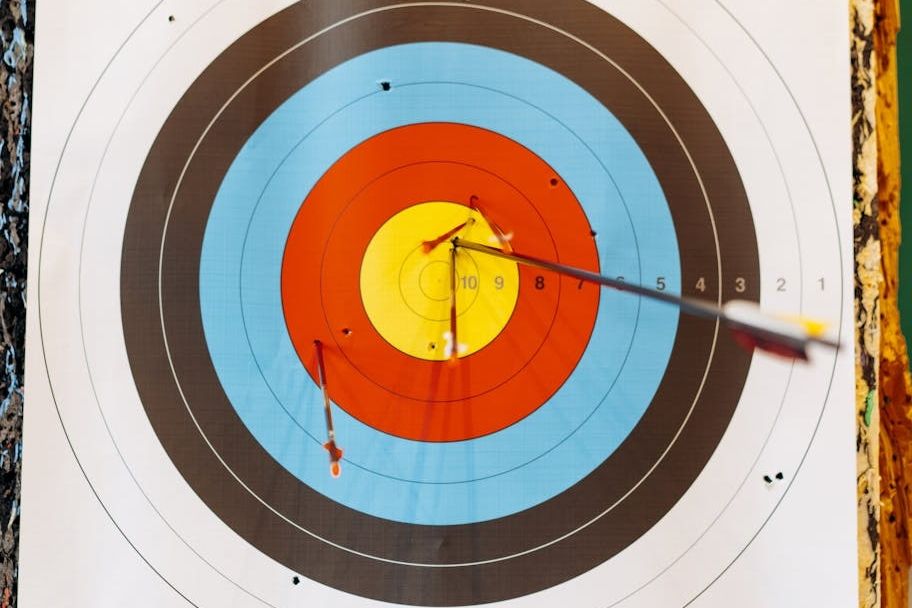
Target Practice: Why Goals Matter

Photo by Mikhail Nilov: https://www.pexels.com/photo/arrow-on-the-target-6620413/

The other morning, over a cup of coffee and a quiet moment before the day kicked off, I caught part of a radio interview with a politician. She was being asked about her party’s position on certain targets, and she flatly refused to commit to any. Her reasoning? According to her, when in power, the opposition had set plenty of targets that they never met… they changed them constantly. Her implication was clear: if that was acceptable then, why should she bother setting any now?

This isn’t a political post, not even close. But the conversation stuck with me and it got me thinking: if targets can be so easily missed, manipulated, or dismissed, what’s the point of having them?

Turns out, quite a lot.

Targets: A Framework for Focus

The way I see it, targets aren’t about perfection, they’re about direction.

When you set a target, you’re declaring an intention. You’re choosing to move in a particular direction, with a clear point in sight. It might be ambitious, maybe even uncomfortable, but it’s there to guide your decisions and behaviours.

Think of it like heading out on a walk. If you know you’re aiming for the top of a hill, you can figure out which path to take, how much time you’ll need, and when to pause for breath. Without that destination in mind, you might wander, enjoy the scenery, but never really get anywhere.

A Personal Reflection: Running with Purpose

I’ve seen the impact of targets most clearly in my own life when I’ve had something concrete to work towards. Take running, for example.

The times I’ve set myself a goal, say preparing for a 10-mile race, everything changes. I find myself planning runs into my week, thinking more consciously about my diet, sleep, and energy levels. I start measuring progress, taking note of improvements, and feeling a growing sense of momentum.

Compare that to the times when I’ve simply said, “I want to run more.” With no specific race or target in mind, it’s all too easy to skip a session. One missed run becomes two. A busy week becomes an excuse. Before I know it, a month has passed and I’m back at square one.

It’s not that I’m lazy or unmotivated, it’s that I didn’t give myself anything to aim for.

Why We Avoid Setting Goals

There’s often hesitation around targets, and it’s not hard to see why.

Targets can feel rigid and unforgiving. We’ve all experienced the disappointment of falling short.  But avoiding targets out of fear of failure is like avoiding maps in case you get lost. The goal isn’t to follow the path perfectly, it’s to have something to refer back to when you go off course.

Even when we don’t meet our goals, the very act of setting them can give us clarity, momentum, and learning. Sometimes that’s more valuable than hitting the mark precisely.

How to Set Better Targets

If setting goals feels like a chore or a trap, try reframing how you approach them. Here are a few principles that can help:

  1. Make them meaningful: Set goals that align with what matters to you. If a target feels imposed or irrelevant, it won’t stick.
  2. Break them down: Big goals can be overwhelming. Break them into manageable steps or milestones to build confidence and track progress.
  3. Expect detours: Progress is rarely linear. Allow for flexibility. Life will happen, and that’s okay. The goal is direction, not perfection.
  4. Review and adjust: Check in regularly. Are you still aiming at the right thing? Has the context changed? Targets can evolve – that’s not a failure, it’s wise responsiveness.

Pause and Reflect

Take a moment to think about something you’ve been meaning to do. Maybe it’s health-related. Maybe it’s a personal project or a professional ambition.

  • What would happen if you turned it into a clear, specific goal?
  • How would that change your focus and your behaviour this week?
  • What’s stopping you from setting that target now?

Final Thoughts

It’s easy to become cynical about targets, especially when they’re misused or missed. But writing off goals altogether is a mistake. A well-set target doesn’t box us in, it opens us up to progress, intention, and the satisfaction of moving with purpose.

You don’t need to shout your targets from the rooftops, but setting them quietly, intentionally, and with a sense of commitment can make a world of difference. Not just in what you achieve, but in how you show up along the way.

Beyond the Pitch: Strengthening the Rugby Circle

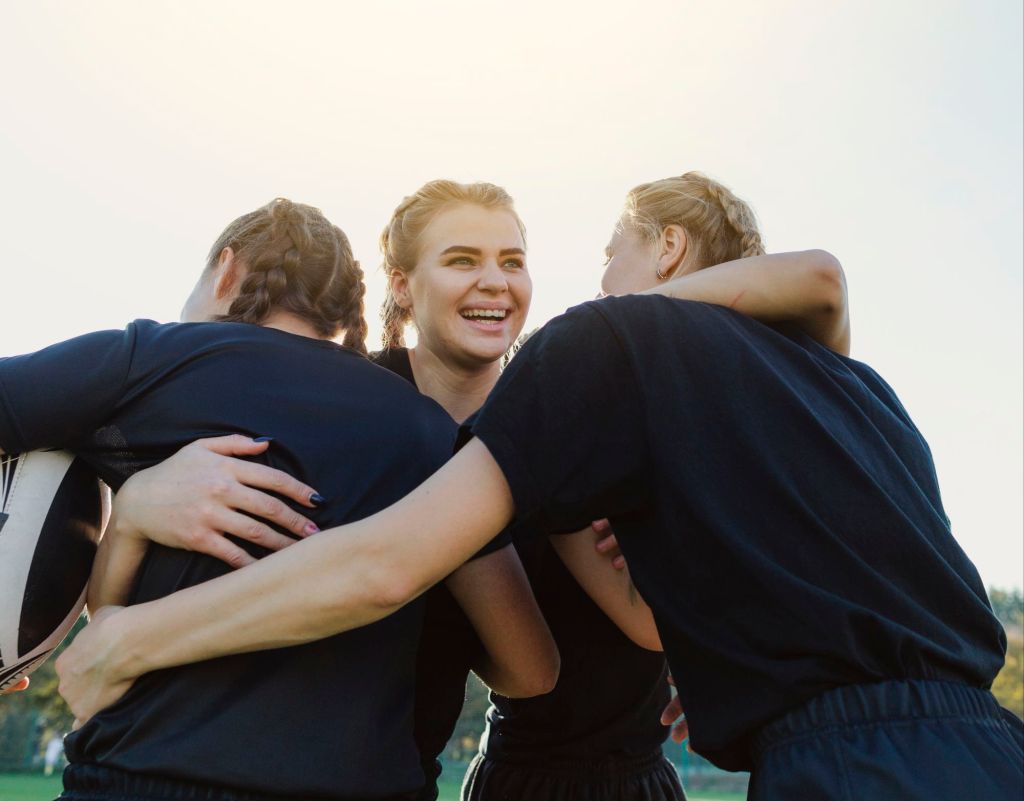
With the season having ended, I’ve enjoyed looking back at everything we achieved. The ups, the downs, the uncertain first steps as a collaborative squad… and the way the team gradually gelled into something really special. From hesitant beginnings to moments of fantastic teamwork, from new friendships formed to individual breakthroughs on and off the pitch, it’s been a journey full of growth and connection. What started as two clubs joining forces became something much more: a unified group with shared values, mutual respect, and a real sense of belonging.

What’s really struck me, though, is just how much of what made this season meaningful happened beyond the pitch. Yes, we trained hard and gave our all on match days, but it was the conversations during water breaks, the laughs shared between drills, and the post-match debriefs with fellow coaches that left a lasting impression. Those moments are where trust was built. Where the team’s identity began to form. Where rugby became the vehicle, but not the sole focus.

The relationships with parents were a big part of this, too. Whether it was cheering from the sidelines, stepping in to help with logistics, or simply offering a word of encouragement, they brought warmth and support that made a difference. This kind of grassroots sport thrives on those contributions, big and small, and I’m grateful for every one.

Then there’s the coaching team. Collaborating across clubs meant bringing different perspectives, ideas, and styles. But it also meant choosing to work as one, to support one another, stay aligned, and present a united front for the girls. That mutual respect and open communication became a foundation not just for the players but for us as coaches, too.

As I reflect, I’m reminded again why I love being involved in youth rugby. It’s about more than the sport. It’s about community, about learning how to be part of something bigger than yourself, about discovering what it means to contribute, to lift others up, to grow through challenge.

Rugby, like all sport, is a microcosm of life. In that small world, we get to practise some of the big stuff: resilience, leadership, kindness, humility, and belief.

That’s what makes a season like this so special. Not just the tries scored or games won, but the people it brought together, and the impact that will last long after the final whistle. That’s the beauty of it all.

Bring on next season!

Looking Through a New Lens

The Power of Video Feedback

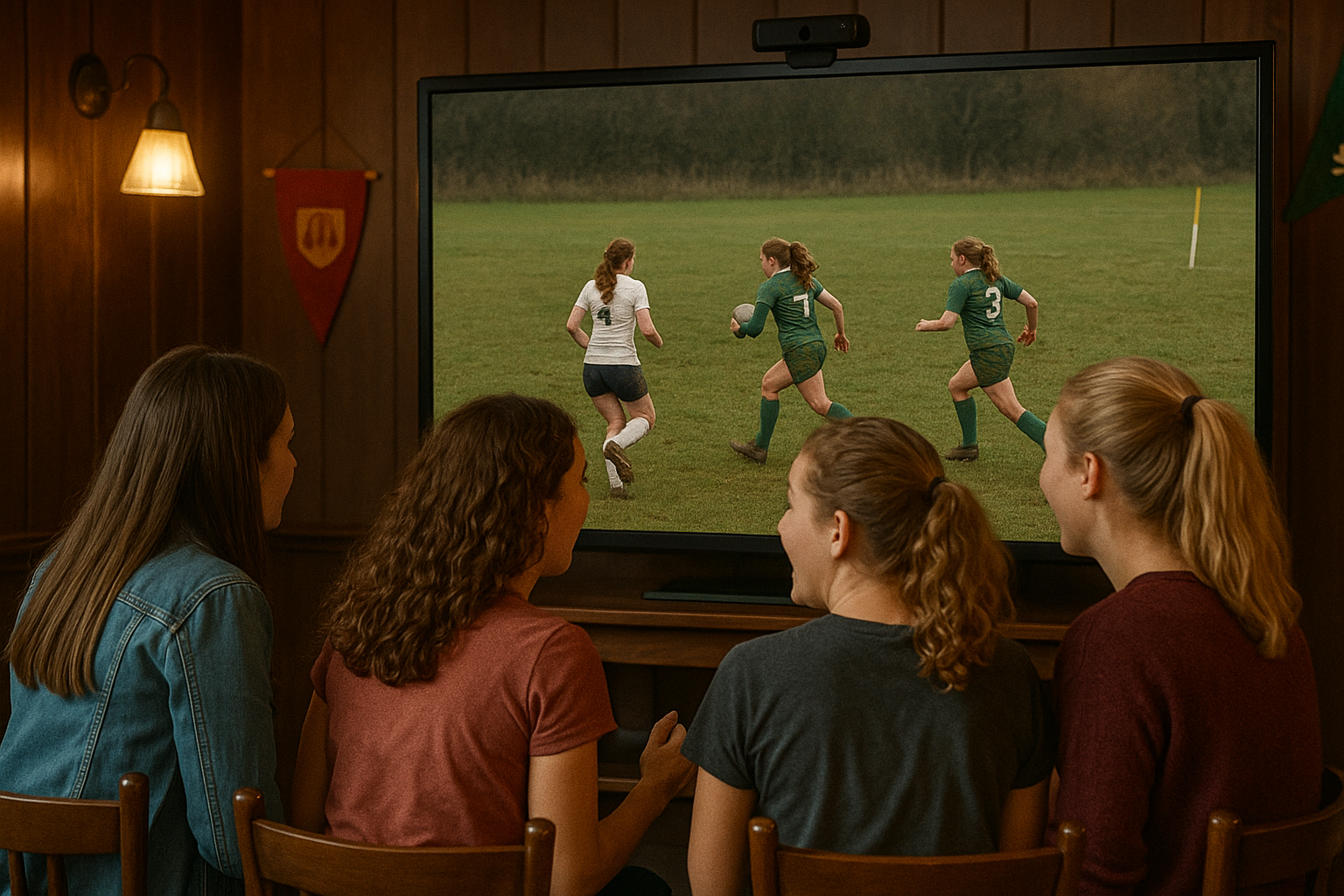
This season we introduced a new tool to our coaching… video analysis. For some of our games we were able capture match footage from a perspective none of us usually get: from above, detached from the noise, and clear enough to spot the patterns, the positioning, the little moments that matter.

At this age group, players rarely get to see themselves in action. They feel the tackles, the runs, the frustration, the joy, but they don’t often get to step back and observe their game like we do from the sidelines. Introducing video gave us, and more importantly the players, a fresh lens through which to reflect and learn.

We didn’t clip specific moments or create highlight reels, we simply shared the full game footage with the players and parents after matches. It was there if they wanted to revisit moments, spot patterns, or just relive the game. We kept it low-key, not overloading the girls with instruction or expectations, just giving them access and space.

The exception came after that first game they won, where everything really clicked, a turning point where belief visibly landed in the group. We decided to sit down as a team and watch the game together. It wasn’t about analysis or corrections. It was about celebrating what they had achieved. We wanted the girls to see themselves in action: how they moved as a unit in defence, their hunger to win back possession, the support lines they ran, and the intensity with which they played. It became a shared moment of pride and insight.

During that session, the girls noticed things they hadn’t in the moment. Moments of skill, teamwork, and determination. They also saw the game from our perspective as coaches, the patterns that don’t always feel obvious when you’re in the thick of the action. It gave us a chance to praise their efforts in a different way and to open up space for them to highlight what they saw in each other’s play too.

That session felt like a shift. The players left more confident, more connected to the game and to each other. It was no longer just about how it felt out there, they’d seen themselves succeed, and that’s powerful. It made things stick in a new way.

Video feedback won’t replace time on the pitch or the lessons of effort and repetition, but it has added another layer of learning. One we’ll certainly keep building on in seasons to come.

Key takeaway: Sometimes the most powerful feedback is simply giving players the chance to see themselves. A new perspective can deepen belief and unlock learning in unexpected ways.

Coaching reflection: What could your players discover if they saw what you see? How might it shift their understanding of their game, and of themselves?

A Game for All: Welcoming New Players Mid-Season

Image from Freepik


One of the standout features of this season was the steady stream of new players who came along to give rugby a go. Whether they were following a friend, inspired by the 6 Nations, or just curious about the sport, it was brilliant to see more girls joining the game. Each arrival brought fresh energy – along with the challenge of quickly getting them up to speed and helping them feel part of the squad.

Bringing new players in mid-season is rarely straightforward. Some turn up unsure if they’ll enjoy it, others full of nerves, and occasionally you get one who’s immediately raring to go. Regardless of where they start, our aim is always the same – to welcome them in, help them build confidence, and find their place in the team.

It means going back to basics again and again. Revisiting things like tackling technique, the laws of the game, and how to set up at a ruck – often while more experienced players are hungry to move on to more complex aspects of the game. Balancing the needs of both groups can be tricky, but one of the approaches that worked really well this year was involving our experienced players in coaching the newer girls. It gave the newer players someone they could learn from and lean on, and it gave our experienced girls a chance to reflect on their own learning and step into leadership. Watching a player patiently explain a technique or encourage a newcomer through her first contact session was one of the most rewarding aspects of coaching this season.

It wasn’t just about the technical side either – the social element mattered just as much. New friendships were forged quickly through small things: shared laughter during warm-ups, post-training chats, or support after a dropped ball. The atmosphere created by the squad was welcoming and open, and that didn’t happen by accident. As coaches, we talked regularly about what it means to be a team and encouraged the girls to embody those values, especially when someone new turned up.

There’s still a long way to go in growing the girls’ game, but this season was another step forward. Seeing new players return week after week – and become part of the group – is a great sign that what we’re building is something worth being part of. The more inclusive and encouraging we are, the more likely we are to keep growing the game for everyone.

Question for reflection: How do you balance developing your experienced players while creating space for new ones to grow?

Building Belief: The Moment It All Clicked

Images from Freepik

If I had to pick a moment that shifted everything this season, as odd as it may sound, it would be a game we didn’t win.

We’d fought hard. The team had shown real grit and togetherness. But in the final seconds, the opposition broke through and scored. The whistle blew. The loss stung – not just because of the result, but because of how close we came. You could see it in the girls’ faces: heads down, shoulders dropped, some tears. It was a heartbreak.

But in hindsight, that match was the spark. The players felt what it was like to come together and nearly do something special. They’d pushed a strong team to the edge. And even though the result didn’t go our way, it gave them something to believe in – a glimpse of what might be possible if they kept growing.

At training the following week, there was a different kind of energy. It wasn’t just about trying hard, it was about believing they could get over the line. That shift – from hoping to believing – is hard to measure, but you can feel it.

And then it happened. We got that first win. It wasn’t perfect, but it didn’t need to be. The confidence boost was instant. The players walked taller. They celebrated together. They started to back themselves and each other. Skills we’d been working on for weeks started to click – because now, they believed they could execute them under pressure.

As coaches, we talk about mindset all the time. But this season was a reminder that belief isn’t something you can hand out – it’s something players build, through experiences, setbacks, support and moments of progress. Our job is to help them stay in the game long enough to feel it for themselves.

Watching this group find belief – real, earned belief – has been one of the most rewarding parts of the journey.

Question for reflection:
How do we help young players bounce back from heartbreak and find belief in themselves and their team?