Nil–Nil Again

A Lesson in Resetting, Not Reacting
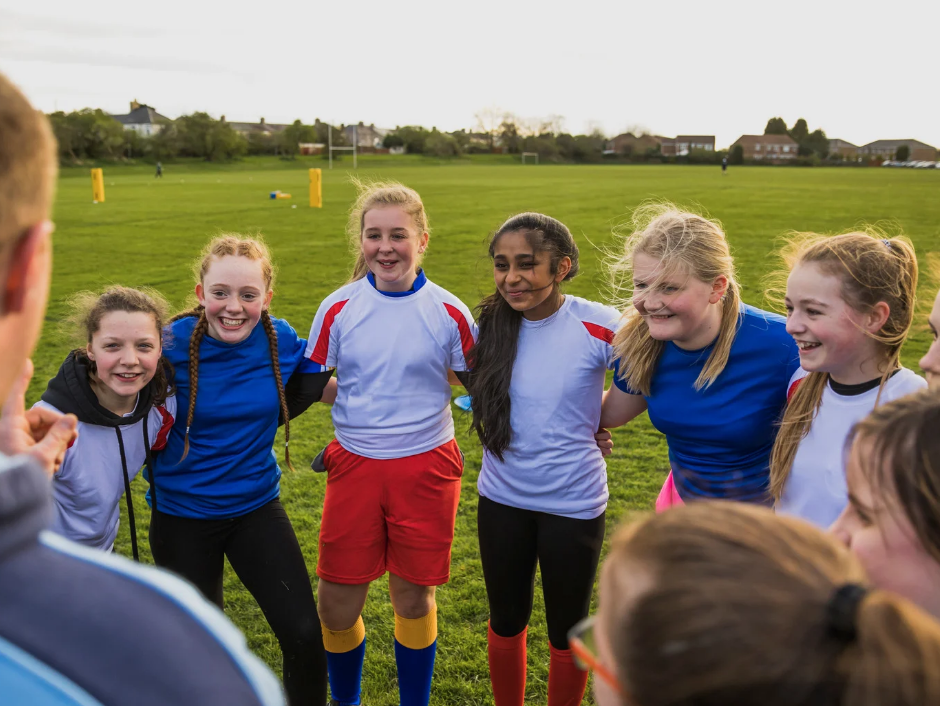
There’s a particular feeling that comes with heavy defeats. One try conceded turns into another… and another. Heads drop. Small frustrations begin to surface. Focus slips. The enjoyment drains away and the game starts to feel heavy – something to be endured rather than played. You can almost sense the players wishing the referee would blow the final whistle and bring it to an end.

At its core, rugby is a game of problem solving. And once the whistle goes, the only people who can solve those problems are the players on the pitch. As coaches, our role sits either side of that moment – between games and training sessions – thinking through what’s happening, what’s missing, and how we can equip players with options they can draw on for themselves between the four white lines.

Over the last couple of games, I’ve noticed something shift. Not dramatically. Not loudly. Just quietly clicking into place.

The basics are being done more consistently. That alone changes the feel of a game. It creates space – not just on the pitch, but in the players’ thinking. From there, more creative options start to appear. But this hasn’t been something imposed from the sidelines. The girls have found a growing sense of belief themselves. You see it in small, almost unremarkable moments; choosing to kick for touch from a penalty to gain territory, or calmly clearing from their own try line under pressure.

We’ve also paid attention to process. One small example is restarts. Previously, conceding often meant handing possession straight back with little pressure. We reshaped that process to give ourselves a better chance of competing – and suddenly those moments felt different. In the last game, we even scored directly from our own restart.

Before their latest match, we asked the girls to hold one simple idea: every score is a reset. Nil–nil again. Be the next team to score, regardless of what’s just happened. Focus on the next job.

When the final whistle went and we gathered in a huddle, the reaction said everything. The girls were genuinely surprised they’d won. Not because they didn’t care but because they’d been so absorbed in doing their jobs, fighting for each other and enjoying the process that the outcome had barely registered.

There will be times when awareness of the score matters. But I’ve found that in grassroots youth rugby enjoyment matters just as much, if not more. And when the weight of expectation eases, something lighter emerges: belief, openness and a freedom to play.

The girls have learned something over these last few weeks. And speaking for myself, so have I. Which is probably why I keep coaching. There’s always more to notice… and always more to learn.
As January Comes to a Close

We’ve reached the end of January.

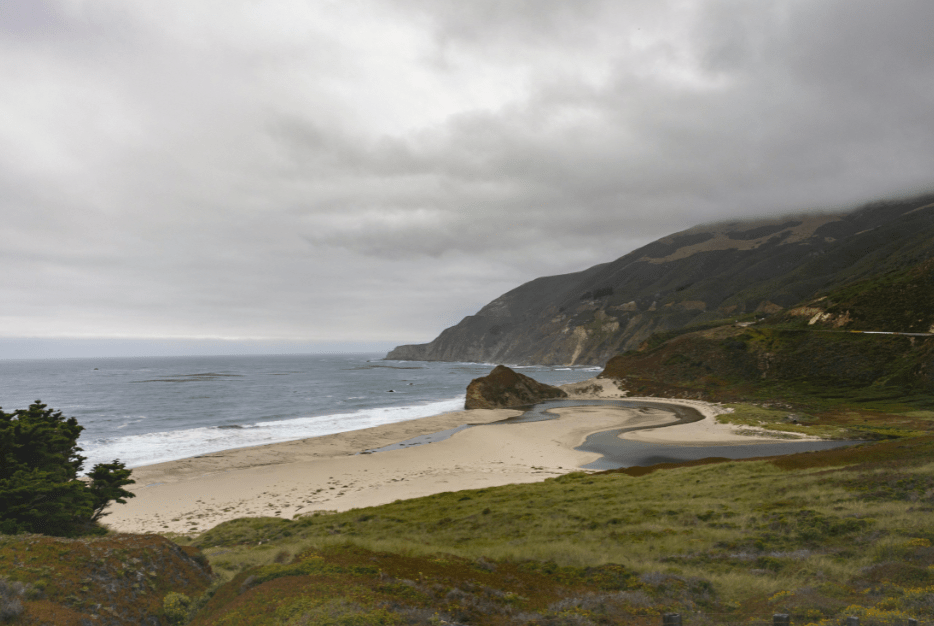
I noticed it the other morning, standing in the kitchen, half-awake. Kettle on. Rain tapping against the window again. Nothing dramatic. Just the quiet realisation that the month was nearly done… and a small exhale I hadn’t realised I was holding.

January has a reputation doesn’t it. For some it feels like the longest month of the year, not just because it has 31 days, but because it can feel like it has far more. The festive lights come down. The inbox fills up. The weather turns grey. The promise of the new year starts to feel a little thinner.

Earlier in the month I wrote about “Sunshine Saturday” – that day the travel industry talks about, when bookings spike as people search for something to lighten the mood. I smiled when I read about it. Not because it’s wrong, but because it captures something familiar. When things feel heavy, we look for a horizon. Something ahead.

January can also carry a lot of pressure. Financial year ends. Reporting cycles. Getting back up to speed. Add the relentless rain and flooding we’ve seen in parts of the UK or the wildfires sweeping through parts of South Africa, and it’s easy to see why enthusiasm fades. We’re surrounded by jokes and memes about how grim it all is, and there’s a strange comfort in sharing that story together.

Standing there with my coffee I found myself wondering what happens when that becomes the only story we tell. That’s not to deny real difficulty, only to notice how easily a shared story can pile on top of whatever’s already there.

Not in a “think positive” way (I’ve never found that very useful) but in a quieter, more curious way. What are we paying attention to? What are we amplifying? And how much does that shape how this season feels from the inside?

I’ve noticed over time how people can be moving through similar seasons, yet experience them very differently. Not because one is doing life better than the other but because of the lens they’re looking through in that moment.

January seems to invite that noticing. When my attention settles on what’s missing, warmth, ease, momentum, the days feel long and heavy. When it shifts to what’s quietly moving, even imperfectly, the month softens. Not suddenly joyful, just less tight.

That doesn’t mean goals are always front and centre. Sometimes life pulls focus elsewhere. Work asks more. Family needs take priority. Energy dips. The neat plans we made at the turn of the year don’t unfold as imagined.

For me Built With Intention has never really been about fresh starts or dates in a diary. It’s more a way of noticing how I’m meeting whatever’s here. Whether I’m rushing or bracing. Trying to force clarity before it’s ready. Or allowing a little space for things to settle and show themselves.

Some days that comes easily. Other days, less so.

As January closes I find I’m less interested in whether the year is “on track”. More curious about how it feels to be in it. Where there’s unnecessary pressure. Where there might be room to ease off. Where attention could gently shift, not to fix anything but simply to see more clearly.

Maybe that’s a useful pause for you too. Not to take action or make a plan. Just to notice.

How does this season feel when you stop long enough to listen?

When Things Don’t Quite Go to Plan

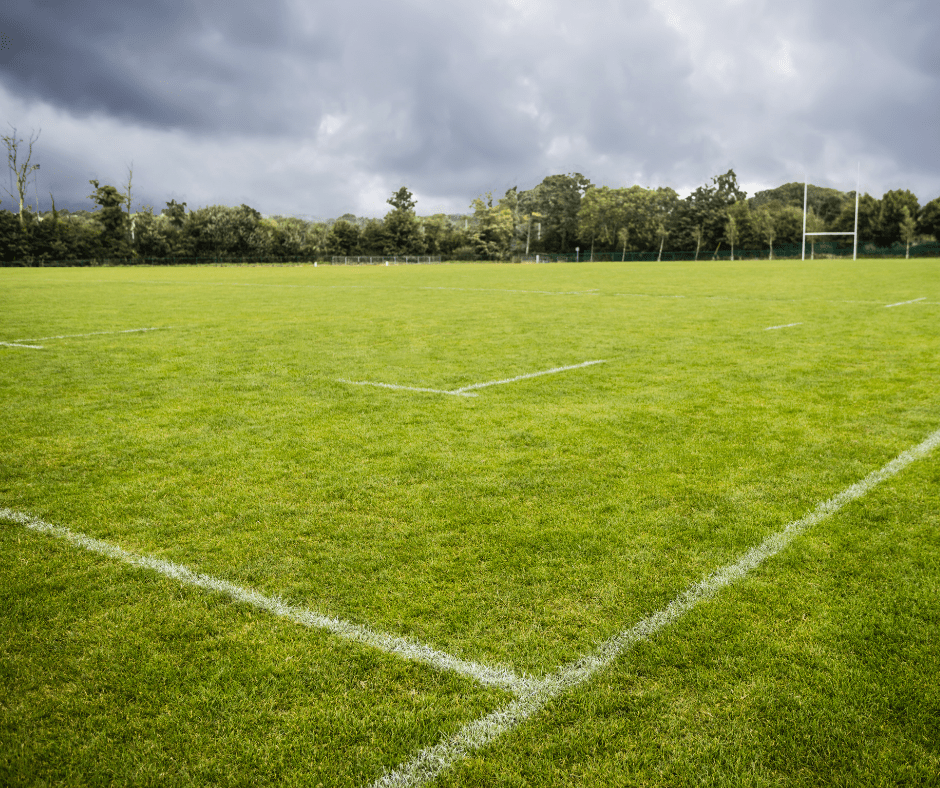
I was standing on the edge of a very soggy rugby pitch over the weekend, hands tucked into pockets, watching rain clouds roll in, thinking, well… this wasn’t quite the plan.

It’s been a familiar refrain lately. Weeks of persistent rain. Cancelled sessions. Constantly checking pitch inspections. That low-level uncertainty that comes with trying to organise anything outdoors in a British winter.

The girls I coach had been desperate to train. After a strong performance the previous weekend, their confidence had lifted and their energy was up. They wanted to build on it. As coaches, we felt the same – not to overhaul anything, just to keep a rhythm going.

When we arrived, the pitches told a different story. Standing water. Ground that looked fine from a distance but squelched underfoot the moment you stepped on it. We adapted. Shifted cones. Shrunk the space. Moved again. Some of it worked. Some of it didn’t.

Then the rain properly arrived – the kind that seeps into gloves and socks and patience. A few complaints about the cold followed. Fair enough.

And then, almost mockingly, the sun came out. Not enough to warm us. Not enough to dry anything. Just enough to change the feel of the moment.

What stayed with me afterwards wasn’t the resilience of the girls, though that was there, but how quickly I’d noticed my own mind tightening earlier on. Wanting things to go smoothly. Wanting the session to count. Wanting conditions to cooperate so progress could be made.

Understandable, but quietly exhausting.

There’s something humbling about watching plans dissolve in front of your eyes. You’re left with what’s actually here, whether you like it or not. The pitch. The weather. The mood. Yourself.

As the session unfolded, I found myself really getting into it, my mood lifting. The usual confident players did their thing. Others stepped forward too. There was effort, yes – but also laughter. Mud everywhere. And connection. We ended up with a decent spell of rugby that no amount of planning could have guaranteed.

Reflectin at home later, I noticed how familiar that pattern felt. At work. At home. In the quieter corners of my own life. We carry an idea of how things should unfold, and life pays polite attention before doing something else entirely.

The sun coming out didn’t fix anything. The pitch stayed wet. The cold lingered. But something had eased internally. A loosening. A reminder that conditions change – and that some of the pressure we feel comes from how tightly we’re holding onto the outcome.

I’m not sure there’s a lesson in that. Or at least, not a neat one.

Just a muddy, wet and cold day that’s stayed with me. Quietly asking what it might be like to trust the unfolding a little more. To meet what’s here with a bit less urgency.

I wonder where that might be true for you right now. Where the weather isn’t cooperating. And what might become visible if you paused, looked up, and noticed what’s still happening anyway.

Why Do I Do This?

I was listening recently to a conversation between two colleagues, Hakan Akbas and Mbulelo Mthi. I didn’t go into it expecting anything in particular but something in the way they were speaking stayed with me. Not in a dramatic, life-altering way – more like a quiet nudge. The kind that lingers and keeps tapping at your shoulder.

It left me sitting with a question that’s been hovering around the edges of my work for a while.

Why do I do this?

Why do I spend time thinking, writing, sharing and having conversations that don’t always lead anywhere obvious?

Conversations without neat endings or clear takeaways. Is it because I enjoy it? Because it feels meaningful? Because, occasionally, someone says it helped them see something differently?

And when it doesn’t land – when there’s silence, or indifference, or a sense that it simply passed by unnoticed – what do I make of that?

I notice how quickly my mind can turn those moments into something personal. A quiet judgement. A question about competence, usefulness or credibility. I wonder whether I treat those moments as information… or as evidence.

In the conversation I was listening to there was a subtle exploration of service. Not service as effort or self-sacrifice, but as an orientation, a place to stand. Something about that resonated with me.

What changes when the question isn’t Did this work? but What was I bringing to it?
What shifts when usefulness isn’t measured by outcome alone?

I can feel how easily I get pulled toward results, toward wanting something to land, to justify the time or energy. There’s a quiet pressure in that. A narrowing, and perhaps a kind of urgency that makes listening harder. Alongside this, I’ve been noticing my relationship with visibility. For a long time, I stayed fairly quiet, not because I lacked interest, but because I cared. About getting it wrong. About being misunderstood. About being seen and found wanting.

It was easier to wait. To tell myself I was gathering clarity, or refining things, or simply being patient.

Lately, I’ve been experimenting with not waiting so much. Sharing thoughts while they’re still forming. Letting conversations be conversations, rather than vehicles for something else. Watching what happens when I don’t rush to decide what it all means.

Built With Intention has been part of that… not as something to push forward, but as a way of paying attention. A lens for noticing how and where I’m coming from when I speak, write or listen.

What I’m noticing isn’t a conclusion so much as a difference in feel. When I’m less concerned with protecting myself or proving something, there’s more room. Less grasping. A softer relationship with uncertainty and with whatever response comes back, or doesn’t.

I still hesitate. I still notice the pull toward safety and certainty. But I’m less inclined to treat that as a problem to solve. It feels more like something to notice, then sit alongside.

So I keep returning to the same question. Not to answer it, and not to resolve it, just to stay close to it.

Why do I do this?

And what might open up if the question itself is allowed to do the work.

Sunshine Saturday: What’s Really Fueling Your Experience?

In the travel industry, the first Saturday of the new year is known as Sunshine Saturday. It’s the day when bookings spike as people lock in summer holidays and give themselves something bright to look forward to. The festive bubble has burst, inboxes are full again and here in the northern hemisphere the days are short, cold and, if you’re in the UK, reliably damp. Dreaming of blue skies and warm evenings can feel like a lifeline.

And it works. At least, it feels like it does.

But I’ve found myself increasingly curious about what’s really going on in moments like that. Is it genuinely the future holiday that’s lifting our mood or is something else at play – something much closer to home and far more accessible?

The promise of sunshine

There’s nothing wrong with booking a holiday. I love having trips in the diary myself. That sense of anticipation can feel energising, especially when life feels a bit flat. Yet if we slow down for a moment, it’s worth asking where that lighter feeling is actually coming from.

The plane ticket hasn’t changed anything yet. The weather outside is the same. Work hasn’t eased off. And yet, inside, something shifts.

That question – what really creates our experience of life – has been quietly shaping how I see the world for several years now.

A different way of understanding experience

This way of looking at things first opened up for me when I was “restructured” out of a role at work. A colleague handed me a copy of Clarity by Jamie Smart. I’ve read it several times since, and I’ll be honest: the first read made sense mainly at an intellectual level. It felt interesting, even logical, but also slightly out of reach.

I kept trying to think my way into a deeper understanding of what Jamie was pointing to. That approach didn’t get me very far, or at least it didn’t last. Over time, and especially through working with my own coach who trained with Jamie, something began to settle in a more lived, practical way.

The core insight is simple, but not always easy to see at first: our feelings don’t come from our circumstances. They come from our thinking in the moment.

What this looks like in real life

This doesn’t mean life suddenly becomes smooth or that bad days disappear. They don’t. I still have moments of frustration, and I can still be grumpy enough to test the patience of those around me. Fitness helps, rugby helps, getting outside helps – but none of those are magic fixes.

What has changed is how quickly things pass. When I’m irritated, it doesn’t hang around as long. When a low mood turns up, it feels less personal and less permanent. I’m not trying to “fix” it or analyse it away. I’m more willing to let it move on in its own time.

It’s also clearer to me now that the things we point to as the cause of our feelings – a comment, a result, the weather, a lack of sunshine – aren’t the source. They’re the content of our thinking, not the engine behind it.

Sunshine Saturday is a great example. It’s not the holiday that lifts the mood. It never is. It’s the hopeful thinking that briefly shows up alongside the idea of it.

Perspective under pressure

This can sound glib if it’s not grounded properly, and that’s not my intention. Some people face challenges that are genuinely overwhelming. This understanding isn’t about minimising that.

One of the clearest illustrations of this perspective comes from Viktor Frankl, the Austrian psychiatrist who survived Nazi concentration camps during the Second World War. In unimaginable conditions he observed that while everything could be taken from a person, one thing remained: the freedom to choose how to respond internally. His experience didn’t make suffering disappear but it showed that even there the source of experience was not purely external.

That’s not a benchmark to live up to, but it is a reminder of what’s possible.

As the year unfolds

As we move through the foothills of 2026, with summer still feeling a long way off, there’s nothing wrong with dreaming of warmer days. If that lifts your mood, enjoy it. Book the trip, browse the photos, imagine the sea.

Just remember this: the feeling isn’t coming from the future. It’s coming from you.

As Wayne Dyer put it, when you change the way you look at things, the things you look at change. Seeing that for yourself, even briefly, can make a quiet but lasting difference.