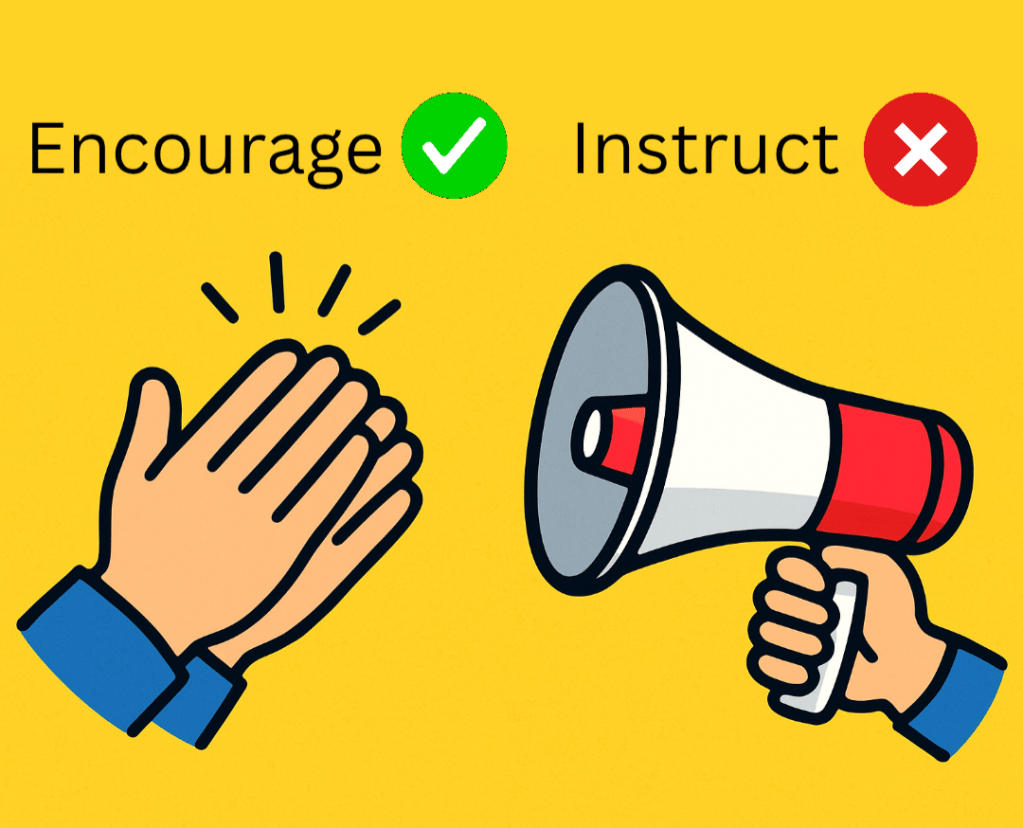
Every parent wants to help. We want our kids to succeed, to feel proud of themselves. When the whistle blows and the game kicks off, it’s tempting to jump in, to shout instructions, to correct, to coach from the sideline.
But the truth is this: the most important role we play isn’t tactical. It’s emotional.
Why Encouragement Beats Instructions
Every team already has a coach. The training is done, the game plan is set, the technical advice has been given. What our kids look for from us is different. They want to know we believe in them.
A simple “Great effort!” often matters more than any tactical tip. A smile after a missed pass says, “I’m proud of you anyway,” and when we keep our composure under pressure, they see that the score isn’t the only measure of value.
A Contrast Worth Noticing
Think for a moment about the difference between the sideline of a junior rugby match and the route of a long-distance run. At rugby, you’ll often hear instructions being shouted: “Get back!”, “Pass wide!”, “Tackle lower!” The intention is to help but the impact can be unsettling.
Now picture the crowd at a marathon or a local fun run. Nobody shouts tactics to the runners. You don’t hear “shorten your stride” or “relax your shoulders.” What you hear is encouragement. People clap, they cheer names on vests, they shout “You’ve got this!” and “Keep going!” The runners lift their heads, find a bit more energy, and keep moving.
That kind of support is what works best on the rugby sideline too. Encouragement, not instruction. Presence, not pressure.
The Science of Sideline Pressure
Research shows that when parents coach from the sidelines, children feel more stress. They hesitate, unsure whether to listen to their coach or to us. That moment of doubt can lead to mistakes, but the bigger cost is confidence.
The best thing we can do on the sideline is support. Let the coaches coach. Our role is to show that they are loved whether they win or lose.
What the Sidelines Should Be
When the game gets tough, children often glance towards the sideline. They’re not looking for instructions. They’re looking for reassurance – a nod, a smile, a sense that someone is with them.
What really helps is not more words but a steady presence.
Why This Matters Beyond Rugby
When we manage ourselves on the sidelines, we teach something that goes beyond sport. We show our children how to stay grounded, how to put things in perspective and how to keep faith in themselves.
Bringing It to Life
This is what Mud, Tries and Tantrums is about: reflections and ideas for raising happy rugby players. Rugby is already a great teacher. It gives children courage and connection, and so much more. We don’t need to add more pressure, we just need to let the game do its job.
As this new season progresses let’s make the sidelines a space of support, not stress.
 Patrick Hickman