Why keeping an open mind is more powerful than proving a point
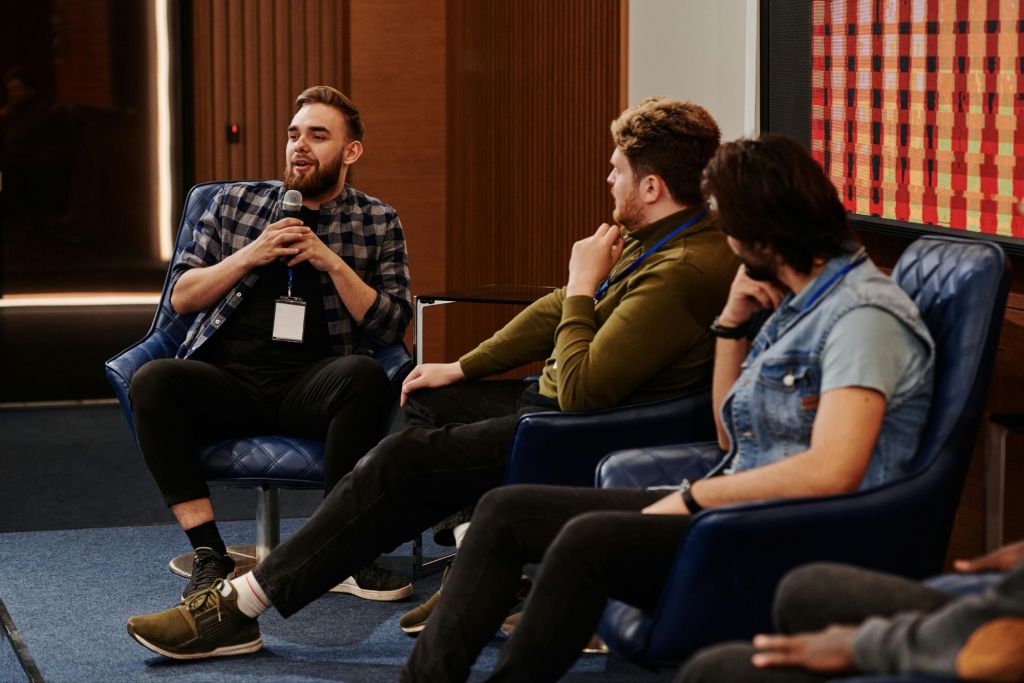
I came across a comment on a podcast episode recently that really made me pause. Someone had described one of the panel members as “debating to win, not to learn.” It struck a chord, not because I agreed with every point made in the episode (in fact, some rubbed up against my own views), but because I realised that’s exactly what good debate should be about: not winning, but learning.
There’s something incredibly powerful about being able to sit with a perspective that challenges your own. As Aristotle said, “It is the mark of an educated mind to be able to entertain a thought without accepting it.” These days, though, that mindset feels increasingly rare. We live in a time of echo chambers, where algorithms serve us content we already agree with and social feeds reinforce our beliefs. Exposure to different views has become something we almost have to seek out intentionally.
Of course, that’s not always comfortable. When someone presents an argument that jars with your values or world view, your instinct might be to push back or shut down. That’s natural. But if we go into a conversation with the aim of defending our position at all costs we shut the door on growth. We don’t give ourselves the chance to understand the nuances or lived experiences behind other perspectives, and perhaps more importantly, we don’t allow the other person to feel heard… which means they probably won’t listen to us either.
I think a lot about every time there’s a round of political debates. Increasingly, they seem less about exploring ideas and more about scoring points. Leaders avoid meaningful conversations with their opponents for fear of appearing weak or inconsistent. But how can we expect progress if those in power refuse to engage with differences in a meaningful way? Disagreement doesn’t have to be hostile. In fact, handled well, it can be constructive and even connective.
Debating to learn starts with curiosity. Instead of asking “How can I prove them wrong?” we ask, “What might I be missing here?” or “Why does this issue matter so much to them?” It’s not about agreeing with everything it’s about gaining insight into another way of thinking. That mindset also makes space for us to change our own views, should new information or experiences warrant it. Flexibility isn’t weakness; it’s wisdom.
In practical terms, it helps to approach conversations with a few ground rules in mind:
- Listen without interrupting.
- Ask questions that clarify rather than challenge.
- Avoid assuming bad intent.
- Let go of the need to have the last word.
These aren’t just good habits for political or intellectual debates they apply just as much at work, at home or even in the car with a teenager. Learning to listen with respect and patience helps build stronger relationships, better teams and ultimately a more thoughtful society.
So next time you find yourself in a disagreement, big or small, try asking yourself what you can learn, rather than what you need to prove. We might not all agree, but we can all grow if we stay open to the conversation.
 Patrick Hickman